The Journey of Civil Rights in Alabama: Alabama's Contribution in American History
The state of Alabama has played a pivotal role in influencing the narrative of civil rights in America. From the center of Montgomery, Alabama to the renowned landmarks of Birmingham, Alabama, the state stands as a monument to the struggles and triumphs of those who struggled for fairness and justice. Beyond its historical significance, Alabama is also home to a dynamic business landscape, with many corporations contributing to both the community economy and the broader stage. The mingling of Alabama's civil rights legacy and its business sector paints a colorful picture of the state.
The corporate environment in Alabama reflects a varied array of industries, showcasing the strength and creativity that can thrive in a region marked by notable historical events. The Alabama business directory highlights an impressive list of registered corporations in Alabama, every one playing its part in the ongoing story of this state. As we explore the confluence of Alabama’s civil rights past and its corporate activities, it becomes clear that both aspects are crucial to grasping the profound character of this dynamic region.
Overview of Alabama's Civil Rights History
Alabama played a key role in the Civil Rights Movement, emerging as a critical point in the fight for racial equality. The state became a significant area in the 1950s and 1960s as activists challenged segregation and discrimination. Cities like Birmingham witnessed important events, including the Montgomery Bus Boycott sparked by Rosa Parks' refusal to give up her seat in 1955. This movement highlighted the unjust treatment of African Americans and attracted national attention, gathering support for civil rights.
The city of Birmingham, in particular, became known with the struggle for civil rights. In 1963, nonviolent demonstrations organized by the Southern Christian Leadership Conference faced harsh confrontations with local law enforcement. Images of the violent response to peaceful demonstrators appalled the nation and led to increased public support for civil rights legislation. The events in Alabama ultimately contributed to major federal reforms, including the Civil Rights Act of 1964 and the Voting Rights Act of 1965.
Beyond legislative changes, Alabama's civil rights history is marked by contributions from various grassroots organizations and leaders. Figures like Martin Luther King Jr., in conjunction with local activists, worked tirelessly to mobilize communities and advocate for change. Today, Alabama's landscape is rich with historical sites and monuments that remember this struggle, serving as reminders of the sacrifices made for the rights and freedoms enjoyed today.
Main Businesses Linked to the Civil Rights Movement
During the Civil Rights Movement, multiple businesses in the state of Alabama played crucial parts, both straightforwardly and indirectly. Firms such as the Birmingham-based U.S. Steel found themselves in the social upheaval of the era. U.S. Steel not only provided employment opportunities but also faced scrutiny regarding their employment practices and policies on racial equality. The challenges within their staff mirrored the broader battle for civil rights, emphasizing the relationship between business and social justice.
Another significant player was the Alabama-based power company, which was engaged in community development projects across the state. Even with being a utility company, Alabama Power was at the center of discussions around segregation and civil rights. Protesters often engaged with the company to question its practices and advocate for just practices, showcasing how businesses could influence progress.
In addition, the emergence of local black-owned businesses proved vital in aiding the Civil Rights Movement. you can try these out served as hubs for activists to gather and develop strategies. They became essential parts of the economic structure of their neighborhoods while championing for equal rights. The resilience of corporations registered in Alabama in creating an inclusive atmosphere was key during this changing period in American history.
Impact of Alabama Corporations on Social Change
In the 1950s, Alabama companies played a crucial role in the fight for civil rights. A variety of businesses began to realize the necessity of social change not just for ethical reasons as well for economic survival. As the civil rights movement accelerated, companies that adopted inclusive policies could draw in a broader customer base and keep a good public image. This change was clear in various sectors, from shopping to production, where Alabama registered companies took important steps towards integration and justice in the workplace.
The rise of the civil rights movement catalyzed a review of business practices in Alabama. Visionary business leaders understood that promoting inclusivity and inclusion could improve their businesses and cultivate a more just society. This resulted in the establishment of partnerships between corporations and civil rights organizations. For example, some Alabama local corporations joined forces with community activist groups to conduct workshops and community events designed to promoting social advancement, demonstrating a dedication to corporate social responsibility.
Furthermore, the reply of Alabama businesses to the civil rights movement had a lasting impact on public perception and state policies. As corporations in Alabama started to implement fair hiring practices and supporting equal rights, they affected public opinion and motivated legislative changes. This corporate involvement not just advanced the goals of the civil rights movement but too laid the foundation for current approaches to inclusivity and inclusion within the business landscape, making Alabama a significant contributor in the broader narrative of American history.
Profile of Major Registered Corporations in Alabama
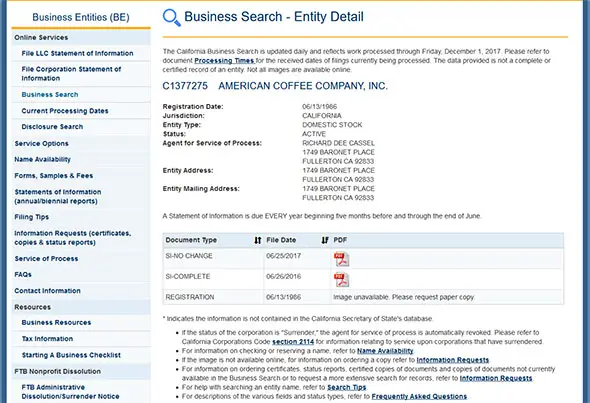
Alabama is home to various corporations that contribute significantly to the economy. Notable companies such as Honda Manufacturing of Alabama; which produces automobiles, have established a strong presence in the region. Their operations contribute not only to job creation but also to the automotive industry’s growth in the southeastern United States. Other significant players include aerospace giants like Boeing and Airbus, which have facilities in Alabama, bolstering the state’s reputation as a hub for advanced manufacturing.
In addition to manufacturing, the corporate landscape includes a robust technology sector. Companies like Vision Financial and AOT Technologies are making strides in software development and financial services. This shift toward technology is indicative of a broader trend where traditional industries are increasingly integrating with modern tech solutions, supporting both local innovation and economic diversification. The state’s business directory reflects this growing interest in tech-oriented companies, attracting professionals and investments alike.
Furthermore, the healthcare sector is a further pivotal component of Alabama’s corporate profile. Major health systems such as UAB and Huntsville Hospital are significant employers and provide essential services to many residents of Alabama. These organizations represent a critical area for investment and growth within Alabama’s economy. The presence of registered companies in the state across multiple industries highlights the state’s potential as a fertile ground for business development and sustainability.
Tradition and Sustained Impact on Current Business
The state of Alabama's civil rights history has left a significant influence on the contemporary business landscape, molding the way corporations operate within the state. The teachings learned during the civil rights movement have cultivated a culture of inclusivity and diversity, which many Alabama businesses now prioritize. This commitment on social responsibility helps organizations attract a more varied workforce and address a broader consumer base. As a result, the initiatives developed in the past continue to reflect within the corporate ethos of Alabama.
The development of Alabama's business environment is also shown in its business directory, which highlights a range of businesses committed to ethical practices and community involvement. Today, registered corporations in Alabama often stress sustainability, equity, and community engagement as core facets of their strategy. By respecting the struggles of the past, these companies not only pay tribute to the sacrifices made for civil rights but also establish themselves as leaders in social change within the business world.
Furthermore, the influence of the civil rights movement in Alabama fuels creativity and collaboration among corporations. Many corporations in Alabama are increasingly engaging in partnerships with local organizations and educational institutions, fostering a culture of cooperation that reflects a commitment to social progress. This trend is evident in how Alabama state companies are changing to meet modern challenges, ensuring that their business practices remain aligned and congruent with the values of today’s society.